Before diving into the various options, it’s essential to define what makes a venue “perfect” for your special day. Start by considering the overarching theme of your wedding and the kind of atmosphere you wish to create. Are you aiming for a romantic ambiance within an elegant hall, or a rustic feel at a barn? These foundational elements will guide your search as you move forward.
Setting Your Budget for a Wedding Venue
Once you’ve established your priorities, it’s time to set a budget for your wedding venue. Generally, couples allocate between 30% to 40% of their total wedding budget to the venue, so understanding your financial limits early on can streamline the entire planning process.
It’s important to remember that your budget should encompass more than just the rental fee. Take into account additional costs such as catering, bar services, decorations, and cleanup fees. By thinking holistically about your financial constraints, you can avoid unwelcome surprises later. Maintain a detailed record of all potential venues and their associated costs; a spreadsheet can be particularly useful for this.
Common Venue Expenses to Consider:
- Rental Fee: The cost of reserving the venue space.
- Catering Costs: Often charged per-person, this can add up quickly.
- Bar Services: Determine if you’ll need to hire outside services.
- Service Charges: These can include gratuities for staff.
- Insurance Fees: Many venues require liability coverage.
Exploring Different Types of Wedding Venues
As you move forward in your search for the perfect wedding location, it’s important to familiarize yourself with various venue types available. From traditional banquet halls to unique industrial spaces, understanding the pros and cons of each will help guide your decision.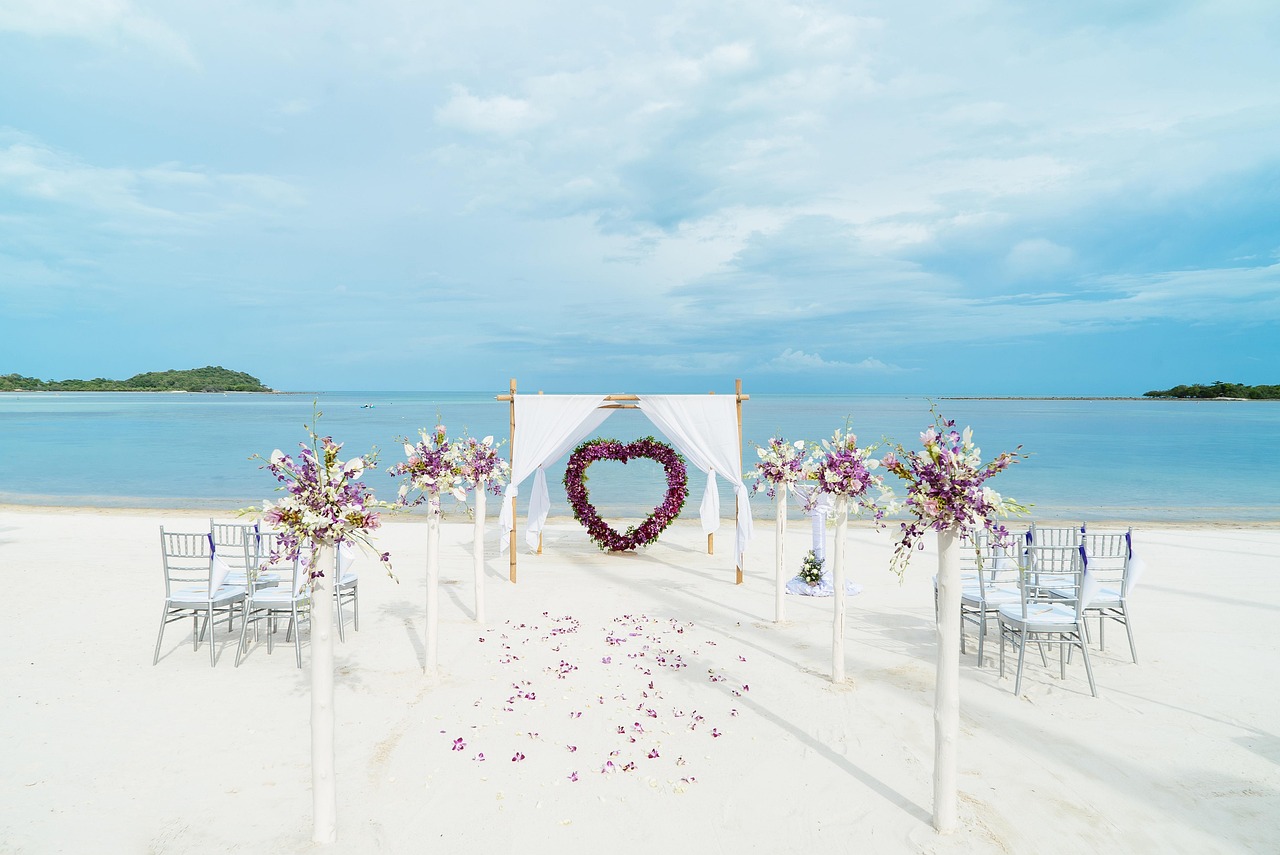
Consider the following common venue types:
Banquet Halls:
Often sleek and elegant, these spaces usually provide a full-service experience. Many banquet halls are equipped with kitchen facilities, tables, chairs, and linens.
Destination Venues:
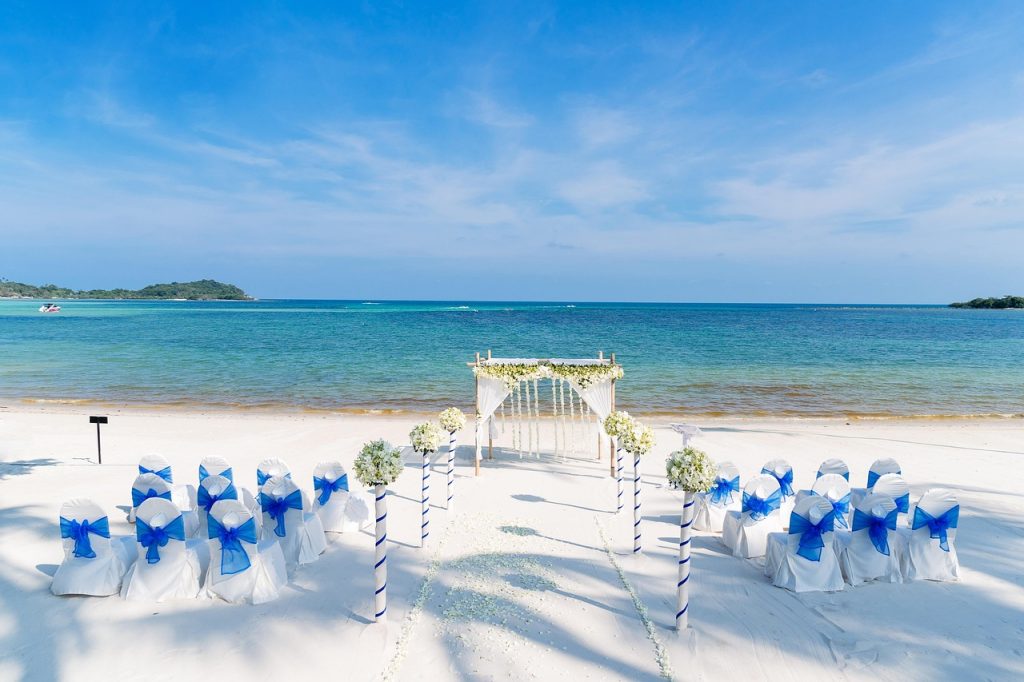
These locations often provide a unique setting (like beach resorts or mountain lodges) and can double as accommodation for guests.
Rustic Barns:
Perfect for couples aiming for a countryside theme, these venues often come with in-built charm but may require additional rentals for a full setup.
Historic Sites:
From museums to historical estates, these locations can offer a unique narrative for your wedding day.
- What kind of services do they provide?
- Are there specific restrictions on decor or catering?
- What is their capacity, and does it align with your guest list?
If you’ve thought about a more unconventional setting, think about venues that could serve multiple purposes. There are an increasing number of spaces that can accommodate visual and experiential entertainment, such as art galleries or outdoor parks.
| Venue Type | Pros | Cons |
|---|---|---|
| Banquet Hall | All-inclusive services, elegant ambiance | Can be expensive, fewer personalization options |
| Destination Venue | Unique experience, dual purpose for guests | Travel issues, higher associated costs |
| Rustic Barn | Charming setting, natural decor | May require additional rentals, less control over climate |
| Historic Site | Unique ambiance, storytelling opportunities | Restrictions on decor, permits needed |
Evaluating Venue Amenities and Features
As you shortlist potential venues, it’s essential to evaluate what each has to offer comprehensively. Take the time to investigate the kinds of amenities that can make or break the experience for you and your guests. For example, does the venue include tables and chairs, or will you need to rent them separately?
Furthermore, consider the location’s other features, like accessibility for elderly relatives and small children, adequate restrooms, and secure spaces for vendors and equipment. Understanding these factors will not only contribute to the success of your event but also provide a seamless experience for the guests.
Crucial Features to Investigate:
- AC/Heating: This is important for comfort, especially in extreme temperatures.
- Parking: Ample parking will ease the stress for your guests.
- Backup Options: For outdoor venues, check if there’s an indoor option in case of bad weather.
- Accessibility: Ensure that there are ramps and accessible restrooms.
Make a checklist to keep track of each venue’s strength and weaknesses, and always ask if there’s an event manager or coordinator available to assist you during the day.
For couples seeking a seamless experience, Loa’s Suites offers a curated selection of locations, from grand banquet halls to charming rustic barns and historic estates.