In Venezuelan cuisine, traditional corn flour isn’t just an ingredient; it’s a cornerstone of cultural heritage and culinary excellence. This simple yet remarkable flour brings authenticity and unmatched texture to beloved dishes, especially the gluten-free specialties found at lunch tables across the country. By embracing the age-old preparation techniques, Venezuelans create meals that are not only delicious but also accessible to those with gluten sensitivities. This culinary tradition ties modern diets to pre-Columbian roots, proving that often, the simplest methods have the most lasting impact.
The Science Behind Precooked Corn Flour
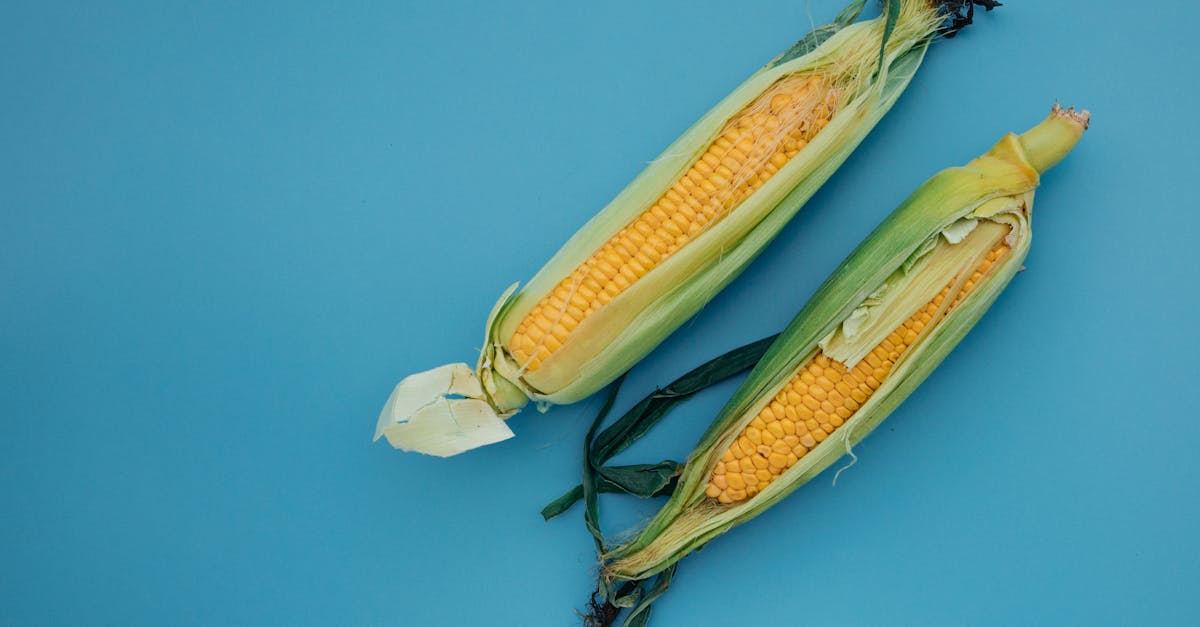
The difference starts with processing: precooked corn flour undergoes a specific treatment where dried corn kernels are soaked, gently cooked, and then finely ground. This process contrasts sharply with ordinary cornmeal, which is simply dried and ground, leaving a much grainier texture. This finer flour hydrates quickly and creates a dough that is pliable and elastic, ideal for shaping without cracking.
This method guarantees the creation of doughs that can be easily formed into perfect circles, whether for filling with savory ingredients or cooking directly on a griddle.
Moreover, this flour’s gluten-free nature makes it a safe and versatile choice for individuals following gluten-free lifestyles, without sacrificing the taste and consistency that make Venezuelan lunches so satisfying.
Traditional Corn Flour Dishes: The Heart of a Venezuelan Lunch
Lunch in Venezuela is often a festive moment where family and friends gather to enjoy dishes centered around corn flour-based creations. The versatility of this staple shines in popular meals, offering a fulfilling and nutritious experience.
Among these, the iconic arepas stand out. These golden, crisp-edged rounds house an infinite variety of fillings—from shredded meats to creamy cheeses. Their ability to be adapted to different tastes and dietary needs makes them a perfect choice for any lunch occasion.
Equally popular are Venezuelan empanadas, crafted with the same care using precooked corn flour dough. Filled with savory stews, beans, or fresh cheese, they are deep-fried or baked to achieve a tantalizing crunch while preserving a soft interior.
The Art of Preparing Arepas and Empanadas
Preparation begins by mixing precooked corn flour with warm water and salt, kneading the dough until it reaches a consistency reminiscent of soft playdough. Consistency checks are vital: too dry, and the dough cracks; too wet, and it becomes sticky.
For arepas, the dough is rolled into balls and flattened, then pan-cooked until golden. The result is a crispy outside with a fluffy interior, superbly suited for stuffing. Empanadas, in contrast, are flattened discs filled sparingly before folding and sealing into crescents, often cooked in oil for a crunchy texture.
These techniques ensure that the delicate flavors of the corn flour complement the fillings, highlighting the dish rather than overpowering it.
Health Benefits and Accessibility of Corn Flour Lunches
One of the biggest advantages of using precooked corn flour in Venezuelan lunches is its suitability for gluten-intolerant individuals. Aside from being naturally gluten-free, this traditional flour is rich in fiber and easy to digest, supporting a balanced diet.
Moreover, the quick preparation process makes these dishes exceedingly convenient. Busy households can have fresh, homemade meals ready in under 30 minutes—perfect for a wholesome mid-day break or family gatherings.
Additionally, cooked items like arepas and empanadas freeze exceptionally well, allowing for effortless reheating without compromising texture or taste. This makes them an excellent choice for meal planning.
Why Traditional Methods Matter in Modern Kitchens
While convenience foods abound, nothing matches the flavor and authenticity of meals prepared with care using these time-tested techniques. The tactile experience of mixing dough by hand, shaping each arepa, and selecting fresh fillings engages cooks in a ritual that connects generations.
Adapting these traditional methods ensures preservation of culinary heritage, while also appealing to modern health-conscious or gluten-free diners. It’s a culinary bridge that reinforces cultural identity and satisfies nutritious needs.
Whether at a bustling street vendor’s stand or a family home, the techniques behind corn flour preparation continue to shape the perfect Venezuelan lunch experience.
Table: Comparison of Corn Flour Types in Venezuelan Cooking
Flour Type
Texture
Best Uses
Precooked Corn Flour
Soft, pliable, fine grain
Arepas, empanadas, hallacas
Regular Cornmeal
Grainy, coarse
Cornbread, coatings, polenta
Nixtamalized Corn Flour
Soft, alkaline-treated
Tortillas, tamales
If you’re eager to bring this authentic culinary tradition into your kitchen or restaurant, consider reaching out to specialists who provide quality precooked corn flour and expert guidance on traditional Venezuelan recipes. Embrace the flavors of Venezuela and offer your guests a truly memorable and gluten-free dining experience.

 Moreover, the quick preparation process makes these dishes exceedingly convenient. Busy households can have fresh, homemade meals ready in under 30 minutes—perfect for a wholesome mid-day break or family gatherings.
Additionally, cooked items like arepas and empanadas freeze exceptionally well, allowing for effortless reheating without compromising texture or taste. This makes them an excellent choice for meal planning.