
Energy efficiency is increasingly becoming a focal point for homeowners and businesses alike. With rising utility costs and growing environmental awareness, understanding how heating, ventilation, and air conditioning (HVAC) systems can contribute to overall energy savings is paramount. Among various options available, high-efficiency units and innovative solutions like air-source heat pumps are gaining significant attention.
Choosing the Right Heating Systems for Your Home
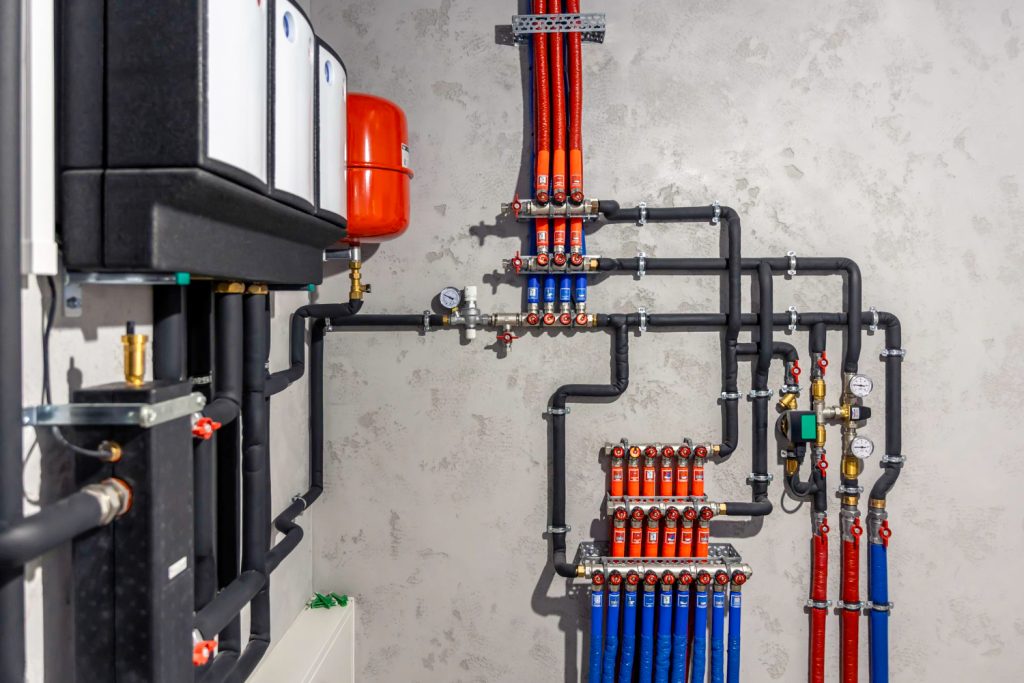
When selecting a heating system, it’s essential to evaluate various types available and their respective benefits. Conventional heating systems, such as furnaces and boilers, have long been the standard, but new options have emerged that prioritize efficiency and environmental sustainability.
One effective solution is the heat pump, which operates by transferring heat rather than generating it. During winter, heat pumps draw warmth from outside air and transfer it indoors. In contrast, during summer, the process is reversed, providing effective cooling. This dual functionality makes heat pumps particularly appealing for homeowners interested in comprehensive climate control.
Furthermore, understanding the importance of proper sizing for HVAC systems is crucial. An over-sized unit may cycle on and off excessively, leading to decreased efficiency and increased wear on components. Conversely, an under-sized system may struggle to meet heating demands. Professional HVAC contractors can perform “Manual J” calculations to accurately determine the necessary size for a home’s heating system.
- Furnaces: Traditional systems that utilize gas, oil, or electricity.
- Boilers: Systems that use water to generate heat, often more efficient than furnaces.
- Heat Pumps: Versatile systems useful for both heating and cooling.
- Electric Resistance Heating: Generally less efficient, suitable for specific applications.
Ultimately, selecting the right heating solution involves considering factors such as energy costs, environmental impacts, and long-term maintenance. As technology evolves, continuously reviewing options remains essential to ensuring the best choice for your home’s heating needs.
Cooling Solutions: Enhancing Comfort While Reducing Energy Bills
Cooling solutions are vital for maintaining indoor comfort during sweltering months. Just as with heating systems, efficient cooling options can drastically lower energy bills. The most common cooling systems include central air conditioning units, ductless mini-split systems, and window units, each with unique advantages.
Central air conditioning remains a popular choice for larger homes. However, ductless systems have surged in popularity due to their flexibility and lower installation costs, particularly for homes without existing ductwork. These systems allow for targeted cooling, ensuring that energy isn’t wasted cooling unoccupied zones.
One significant advantage of ductless systems is their variable refrigerant flow technology, which adjusts the cooling capacity based on the indoor temperature and occupancy levels. This adaptability optimizes energy consumption and enhances comfort. Moreover, many newer models are equipped with high-efficiency ratings, translating to substantial energy savings over time.
For homeowners looking to maximize their cooling efficiency, regular maintenance is crucial. Cleaning or replacing air filters, examining and sealing ductwork, and scheduling professional check-ups can prolong the life of your cooling system and ensure it remains energy-efficient.
The Role of Insulation in Cooling
Insulation plays a pivotal role not only in heating but also in cooling efficiency. Properly insulated homes retain cool air, allowing HVAC systems to work less while maintaining comfortable temperatures. When evaluating insulation, consider material types, R-values (which measure thermal resistance), and areas most in need of improvement, such as attics, basements, and walls.
Moreover, integrating energy-efficient window treatments can further bolster cooling solutions. Shades, blinds, and reflective films can reduce heat gain from sunlight, allowing HVAC systems to maintain their efficiency. Coupled with well-planned ventilation techniques, these measures create a comprehensive strategy for cooling savings.
Electrical Services: The Backbone of Efficient HVAC Systems
Efficient HVAC systems are not just about mechanical components; they also rely heavily on electrical systems for optimal functionality. Electrical services encompass a range of functions crucial for maximizing HVAC efficiency, such as installation, wiring, and regular maintenance.
One of the primary considerations when integrating HVAC systems is ensuring the electrical infrastructure is up to standard. Inadequate electrical supply can lead to underperformance, higher energy consumption, and increased operational costs. Upgrading electrical panels or wiring may be necessary in older homes to support newer, more efficient HVAC technologies.
Regular inspections by qualified electricians can identify potential issues that may hinder system performance. This proactive approach can save homeowners from costly repairs and ensure safety. In addition, understanding the load calculations allows homeowners to evaluate whether their current electrical resources can support the upgraded systems they wish to install.
- Installation: Correct installation of HVAC and electrical systems is paramount.
- Wiring: Quality wiring ensures minimal energy loss and optimal performance.
- Regular Maintenance: Scheduled inspections can prevent failures and prolong system lifespan.
- System Upgrades: Regularly assessing and upgrading components enhances overall efficiency.
Incentives for Upgrading Electrical Services
Various programs exist that provide financial incentives for homeowners to upgrade to more efficient electrical systems. Federal and local governments may offer tax credits or rebates for improved systems, further easing the financial burden associated with such upgrades. Research local offerings to take advantage of potential savings.
Learn more about sustainable energy solutions from Peninsula Heating Cooling & Electrical P/L.