
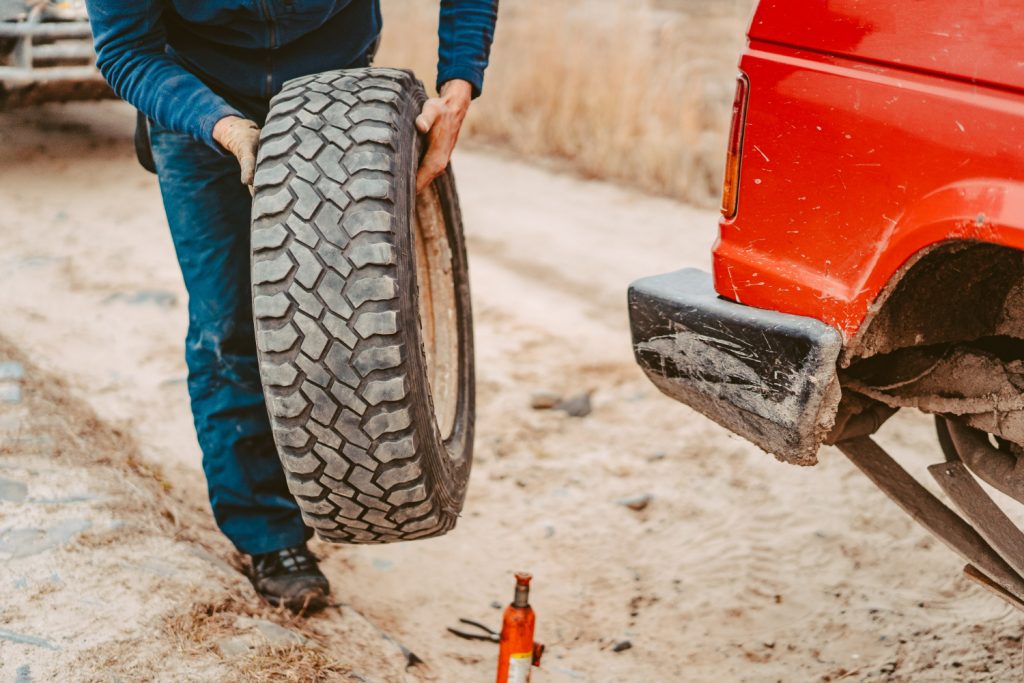
In the world of automotive maintenance, understanding the quality of truck tyres is pivotal, particularly when considering buying second-hand options. While the initial cost of new tyres can be staggering, the demand for used tyres has surged as more truck owners look for cost-effective solutions without compromising safety. However, discerning the quality of used tyres is fraught with challenges. Various factors come into play, including tread depth, sidewall integrity, and potential defects that could hinder performance. This guide dives deep into recognizing the attributes that signify quality second-hand truck tyres, ensuring you make informed decisions for your vehicle’s safety and reliability.
Importance of Tread Depth in Assessing Used Truck Tyres
Tread depth is arguably one of the most critical factors in determining the quality of a tyre. It is a pivotal element that influences traction, handling, and overall safety. When considering used truck tyres, measuring tread depth should be your first step. Experts recommend checking the depth with a gauge or using the penny test: placing a penny in the tread grooves and ensuring that Lincoln’s head is partially visible. If much of his head is exposed, it’s an indication that the tread depth may be insufficient.
Minimum Tread Depth Recommendations
Understanding the acceptable ranges for tread depth can significantly affect decision-making. Here are crucial points to consider:
- The minimum legal tread depth in many regions is often 1.6mm (or 2/32 inches).
- For optimal performance and safety, it is recommended to replace tyres when the tread depth reaches 3mm (4/32 inches).
- Heavy-duty trucks, especially those operating in challenging terrains, may require deeper treads to handle the stresses placed on them effectively.
Tyres with insufficient tread depth can lead to hydroplaning and loss of control, particularly in wet conditions where water displacement is crucial. The tread is designed to channel water away from the contact area between the tyre and the road, and insufficient depth can severely compromise this function.
The Role of Tread Patterns
Not only is the depth important, but the type of tread pattern also matters. Various tread designs cater to different conditions, such as:
- All-Terrain Tyres: These tyres typically have more aggressive tread patterns, ideal for mixed conditions.
- Highway Tyres: Designed for smooth surfaces, these provide lower rolling resistance and better fuel efficiency.
- Mud and Snow Tyres: These feature deeper grooves and larger voids to optimize grip in slippery conditions.
Detecting Sidewall Integrity and Potential Damage
The sidewall of a tyre is integral to its overall structural integrity. When inspecting used truck tyres, examining the sidewalls for cuts, bumps, or other irregularities can reveal critical information about their condition.
Identifying Common Sidewall Issues
Sidewall damage can result from various factors such as poor maintenance, impacts with curbs, or debris. Here’s how to identify potential issues:
- Cuts and Cracks: Look for visible cuts or cracks, especially those that expose the internal structure of the tyre.
- Bulges: Any bulging along the sidewall could indicate internal damage or separation, leading to tyre blowouts.
- Missing Material: If there are missing chunks or uneven surfaces, it compromises the tyre’s sealing and overall functionality.
The Significance of Age and Usage History
The age of a tyre plays a crucial role in its safety and performance characteristics. While a seemingly new-looking tyre with adequate tread may appear to be a great deal, its age can significantly affect its usability. Most tyres display a four-digit DOT (Department of Transportation) code on the sidewall, where the first two digits indicate the week of manufacture and the last two indicate the year.
Understanding the Risks of Old Tyres
It’s essential to recognize that rubber components degrade over time, even if the tyre shows minimal wear. Here are key points to consider regarding age:
- General Recommendation: Most manufacturers recommend replacing tyres after six years of age, regardless of tread depth.
- Dry Rot Caveat: Without adequate care, tyres can develop dry rot which weakens the rubber and can lead to structural failure.
- Exposure Risk: Tyres stored outdoors or subjected to extreme heat and sunlight may experience accelerated aging.
In sum, awareness and diligence are paramount in the pursuit of quality second-hand truck tyres. By understanding the importance of various components, truck owners can ensure safer driving experiences while also making financially wise decisions. It’s a balance of cost, safety, and longevity that all drivers should aim to achieve.
For reliable second-hand truck tyres that balance safety and cost-effectiveness, turn to GILL VIC TYRES.