
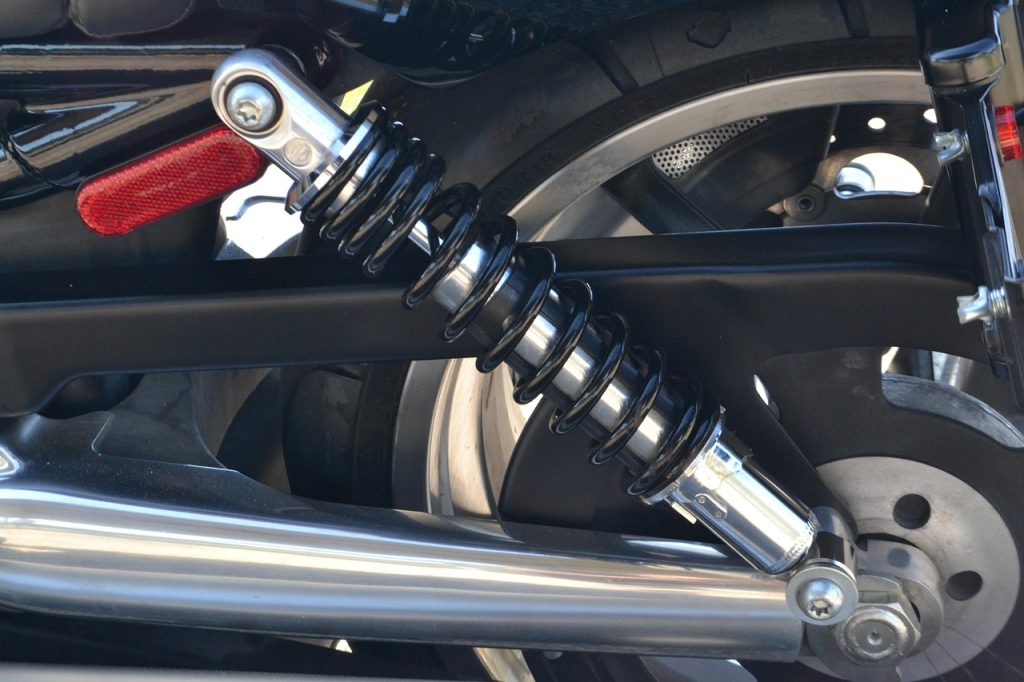
Owning a motorcycle is not only a testament to freedom and adventure, but it also comes with the responsibility of proper upkeep. A motorcycle maintenance routine can dramatically influence the longevity and performance of your engine. Regular inspections, fluid changes, and other maintenance practices mean the difference between a bike that runs smoothly and one that faces frequent repairs. Riders who neglect routine maintenance often find themselves dealing with unexpected breakdowns, diminished engine life, and potentially dangerous riding conditions.
Essential Routine Maintenance Tasks
Developing a routine maintenance checklist can streamline your efforts and enhance the longevity of your bike. The ultimate motorcycle maintenance checklist can vary depending on usage, but certain tasks should be performed regularly. These tasks contribute not just to engine longevity, but also improve handling, safety, and performance.
Every rider should start with a pre-ride check. Simple components require daily attention, including:
- Tires: Check for signs of wear, correct pressure, and any road debris.
- Brakes: Ensure the fluid is at suitable levels and that the brakes respond well.
- Lights and Indicators: Confirm that all lighting systems are operational to maximize visibility.
- Chain: Ensure it is lubricated and free from rust or debris.
- Oil: Check for any leaks or drops on the ground, which can indicate a problem.
These checks should become habitual as part of your riding routine. In addition to pre-ride checks, developing weekly or monthly tasks can provide even greater assurance of a well-performing motorcycle. Tasks such as checking and cleaning the air filter or tightening bolts can further maintain engine health.
Seasonal Maintenance Must-Dos
Seasonal maintenance is crucial for ensuring your motorcycle operates well throughout the year, particularly if you live in a region with extreme weather conditions. For example, changing the engine oil and replacing the oil filter every few months is vital for a healthy engine. Regular oil changes—which should occur about every 3,000 to 5,000 km—help remove contaminants that accumulate over time.
Another critical seasonal task involves inspecting your motorcycle’s coolant levels. Low coolant can lead to overheating, which can cause severe engine damage. Periodically flush and replace old coolant to prevent issues. Coolant levels should be monitored frequently, particularly if you ride in warmer weather.
| Maintenance Task | Frequency |
|---|---|
| Oil Change | 3,000 – 5,000 km |
| Brake Fluid Replacement | Annually |
| Tire Inspection | Every Ride |
| Chain Lubrication | Every 500 km or weekly |
As seasons change, specific tasks become increasingly important, such as replacing spark plugs. Worn spark plugs can lead to inefficient fuel combustion, resulting in a rough-running engine. A simple check can enhance engine performance significantly.
Tools for Effective Motorcycle Maintenance
Equipping yourself with essential tools can ease the process of performing regular maintenance tasks. A good motorcycle maintenance toolkit is the cornerstone of DIY upkeep. Basic tools include:
- Socket wrench set for various bolt sizes.
- Tire pressure gauge to keep track of tire inflation.
- A chain cleaning brush and lubricant.
- Battery check tools for ensuring healthy terminals.
While these basic tools are necessary, incorporating additional optional tools can maximize your effectiveness. Battery tenders can help maintain charge levels while not in use, and an oil catch pan is essential for changing oil without creating a mess. Air compressors can be beneficial for tire inflation, ensuring your tires are always at the correct pressure.
Knowing When to Seek Professional Assistance
No matter how experienced a rider you are, some motorcycle issues will require professional attention. Signs like persistent knocking noises or unusual vibrations indicate that deeper mechanical inspections are necessary. Understanding when you cannot handle the repairs yourself is crucial, as some problems like electrical faults or critical engine failures are best left to the experts.
Maintaining an open dialogue with your local mechanic can also enable you to understand what issues may arise based on your motorcycle’s make and model. Regular visits can alert you to potential problems before they escalate into serious concerns. Always remember, good maintenance isn’t just about performing checks. It’s about being informed, prepared, and responsive to the condition of your bike.
Eco-friendly Motorcycle Maintenance Practices
With increasing awareness of environmental impact, adopting eco-friendly practices in your motorcycle maintenance routine is a responsible choice. First, proper disposal of old oil and batteries is crucial; never pour these materials down drains or into soil. Instead, dispose of them at certified recycling centers.
Utilizing sustainable cleaning products can also reduce environmental impact. Using biodegradable cleaning solutions and reusable microfiber cloths will enhance your motorcycle’s aesthetic while being kind to the planet. Simple shifts in maintenance practices can contribute to a cleaner environment, proving that motorcycle enthusiasts can ride responsibly.
Regular checks with a professional not only benefit your bike but also ensure a responsible impact on the environment, ramping up the motorcycle community’s conscious efforts toward sustainability.