For decades, Venezuelan cuisine sat quietly in the shadow of its more globally recognized neighbors. Today, that’s shifting. From food trucks in Miami to pop-up stalls in Madrid, midday menus built around Venezuelan staples are drawing crowds who have never set foot in Caracas. The appeal isn’t a passing trend—it’s rooted in flavor, texture, and a kind of resourceful cooking that translates well across cultures.
The Arepa Effect
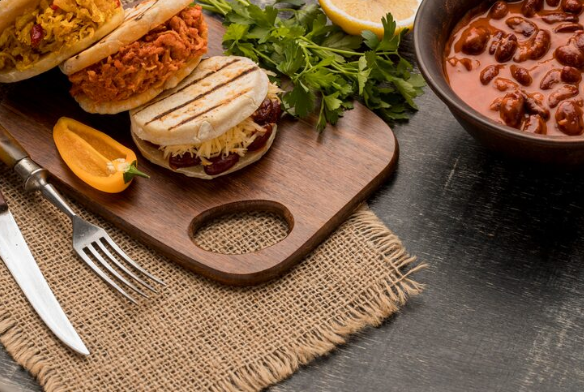
No conversation about Venezuelan lunch fare gets far without mentioning the arepa. This grilled corn cake, split open and stuffed with everything from shredded beef to black beans and cheese, functions almost like a culinary blank canvas. It’s naturally gluten-free, endlessly customizable, and satisfying without being heavy—qualities that line up neatly with what many diners are already looking for.
What sets the arepa apart from other stuffed breads or wraps is its texture: crisp on the outside, pillowy within. That contrast keeps people coming back, and it’s easy to see why food vendors abroad have embraced it as an approachable entry point into the broader cuisine.
A Gateway to Deeper Flavors
Once diners try their first arepa, curiosity tends to spread to other dishes. Pabellón criollo, the country’s unofficial national plate, combines shredded beef, black beans, rice, and fried plantain into a single plate that’s become a favorite among lunch crowds craving something hearty yet balanced. Each component carries its own flavor profile, but together they create harmony rather than clutter.
Street Food Roots, Global Appetite
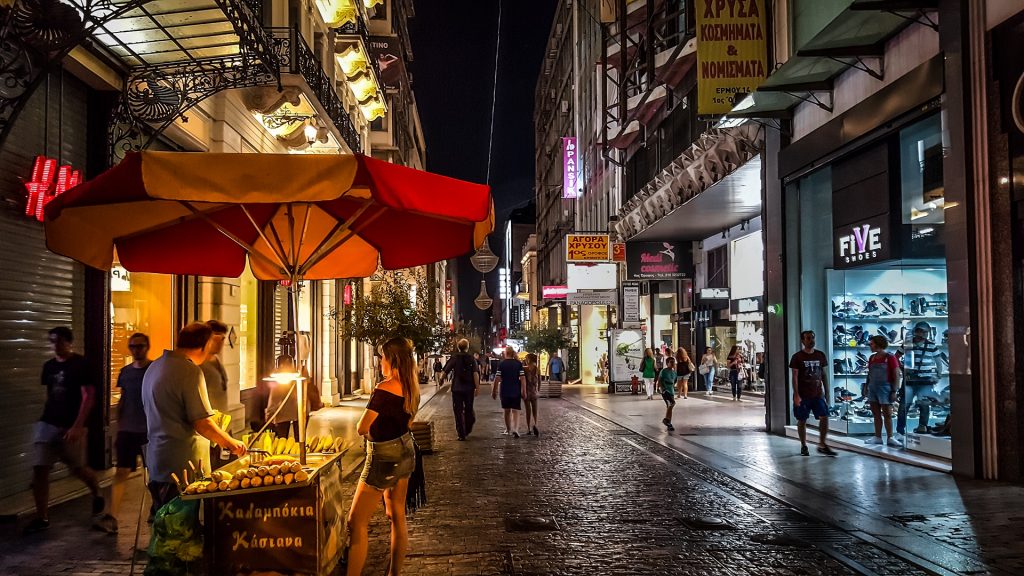
Much of what makes Venezuelan lunch culture so exportable is its street food heritage. Dishes were designed to be eaten quickly, often on foot, using ingredients that were affordable and widely available. That practicality has aged well in an era where diners increasingly favor casual, fast-casual formats over sit-down meals.
Tequeños, for instance—thin pastry sticks wrapped around gooey cheese and fried until golden—require no cutlery and travel well, making them a natural fit for shared plates or quick bites between meetings.
| Dish | Core Ingredients | Why It Travels Well |
|---|---|---|
| Arepa | Corn flour, filling of choice | Portable, customizable, gluten-free |
| Pabellón criollo | Beef, beans, rice, plantain | Balanced, filling, visually appealing |
| Tequeños | Pastry, cheese | Finger food, shareable |
| Cachapa | Sweet corn, cheese | Familiar sweet-savory pairing |
Ingredients That Resonate With Modern Palates
Corn, plantain, black beans, and white cheese form the backbone of most Venezuelan lunch dishes. None of these ingredients feel foreign to international diners; if anything, they overlap with staples already common in Mexican, Colombian, and Caribbean cooking. That familiarity lowers the barrier to entry while the specific preparations—like the cachapa, a sweet corn pancake folded around soft cheese—offer something distinct enough to feel novel.
The Role of Simplicity
Unlike cuisines that lean heavily on complex sauces or lengthy preparation times, many Venezuelan lunch staples rely on a handful of quality ingredients cooked with care. This simplicity has practical advantages for restaurants and home cooks alike:
- Shorter prep times without sacrificing flavor
- Lower ingredient costs relative to protein-heavy alternatives
- Easier adaptation for vegetarian or gluten-free diners
- Strong visual presentation with minimal plating effort
Community and Culture on the Plate
Food rarely spreads on taste alone. Venezuelan migration over the past decade has played a significant role in introducing these dishes to new audiences, as home cooks and small business owners brought recipes with them and adapted them for local markets. What started as comfort food for expatriate communities gradually caught the attention of curious neighbors, then wider audiences through word of mouth and social media.
That organic growth has given the cuisine an authenticity that’s hard to manufacture. There’s no marketing campaign behind the rise of the arepa—just consistent, satisfying food finding its audience one lunch at a time.
A Cuisine Built to Last
The staying power of Venezuelan lunch dishes likely comes down to balance: they’re filling without being indulgent, simple without being boring, and rooted in tradition while remaining flexible enough to adapt. As more diners search for meals that feel both comforting and different from the usual rotation, this cuisine offers exactly that middle ground.
Anyone curious to experience these flavors firsthand can find an authentic taste of Venezuela at Cafe Canela Restaurant.