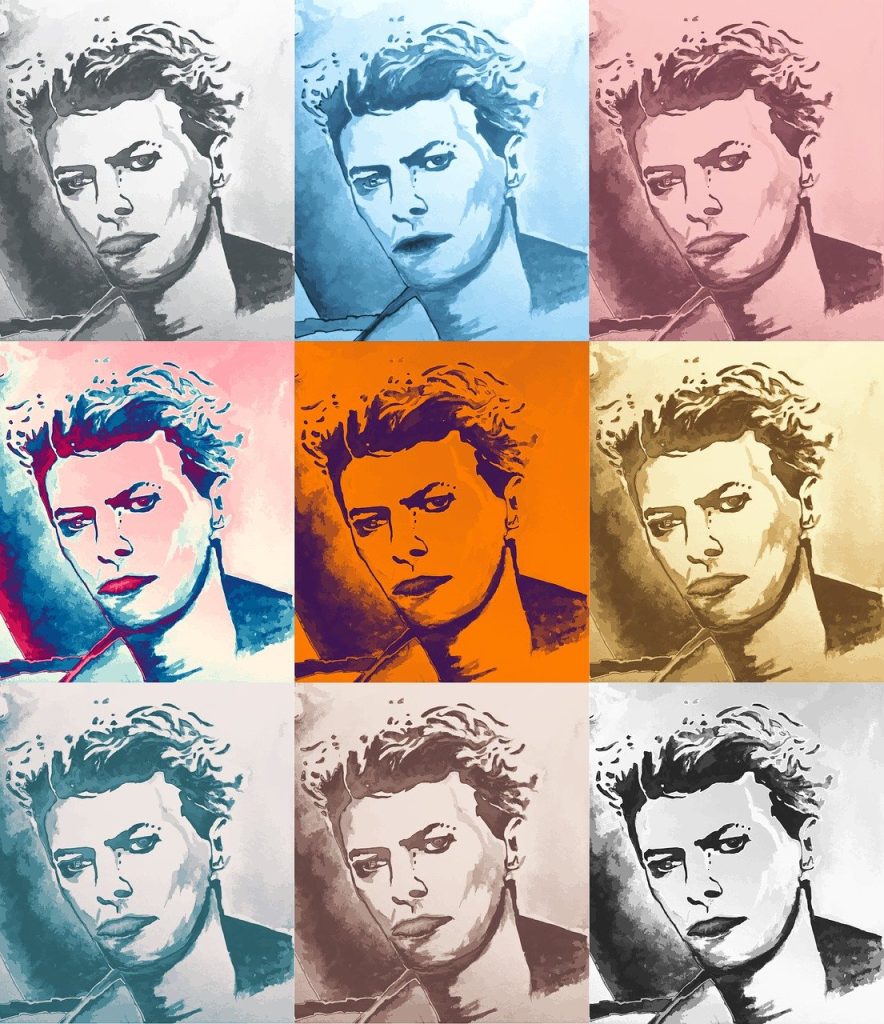
Art movements often reflect the sociocultural landscapes they emerge from, and few are as vivid and impactful as the Pop Art movement. Sprouting from the post-war optimism of the 1950s and the exuberance of the 1960s, Pop Art encapsulated a revolutionary fusion of popular culture and fine art. This article traces the path through which Pop Art has evolved, highlighting its milestones, key figures, and enduring impact on contemporary culture.
The Roots of Pop Art: A Cultural Reawakening
The origins of Pop Art can be traced back to the significant cultural shifts following World War II. This period marked the convergence of consumerism, media explosion, and a newfound sense of optimism, particularly in Western societies. The post-war economic boom allowed for an unprecedented proliferation of mass-produced goods and advertisements. Artists began to take notice. They saw the mundane objects and popular culture around them not just as subjects but as vehicles for artistic expression.
The Influencers: Key Figures in Pop Art
The artistic landscape of the 1960s was shaped by several key figures, whose contributions were instrumental in defining the movement. Many of these artists broke away from traditional painting techniques, opting instead to embrace the graphic styles of advertising and comic books.
- Andy Warhol: Perhaps the most iconic figure of the movement, he famously said, “In the future, everyone will be world-famous for 15 minutes.” His fascination with celebrity and consumer products defined much of his work, especially his famous Campbell’s Soup cans and Marilyn Monroe portraits.
- Roy Lichtenstein: Known for his comic-strip style paintings, Lichtenstein employed bold colors and Ben-Day dots to mimic the look of commercial printing, transforming mundane imagery into high art.
- Richard Hamilton: As a British artist, he explored themes of modern life and consumerism through his collages, often incorporating media images that depicted popular culture.
| Artist | Signature Work | Style |
|---|---|---|
| Andy Warhol | Campbell’s Soup Cans | Mass production, silkscreen |
| Roy Lichtenstein | Whaam! | Comic strip, pop culture references |
| Richard Hamilton | Just What Is It That Makes Today’s Homes So Different, So Appealing? | Collage, social commentary |
From the self-referential media in Hamilton’s work to Warhol’s obsession with fame, each artist offered a unique lens through which to view the rapidly changing world. The ways in which they incorporated popular symbols into their art made it accessible to a broader audience, breaking down the elitist barriers that typically surrounded fine art.
The 1960s: Pop Art’s Glorious Ascendancy
The 1960s proved to be a celebratory decade for Pop Art, characterized by an explosion of creativity and recognition. The art market began to embrace these new expressions, leading to exhibitions that showcased Pop Art across the globe. Galleries welcomed these bold works, which often critiqued and mirrored contemporary culture.

Defining Characteristics of 1960s Pop Art
Several crucial aspects defined 1960s Pop Art, blending themes of consumerism, politics, and sexuality.
- Vivid Color Palette: Artists embraced bright, saturated colors that were reminiscent of commercial advertising, evoking a sense of dynamism and immediacy.
- Irony and Humor: Much of Pop Art contained a subtle irony, commenting on the commodification of culture while simultaneously participating in it.
- Mass Media Influence: The rise of television and print media provided artists with a new repository of imagery that reflected societal values and aspirations.
The 1960s marked the zenith of the movement, but it also paved the way for critical introspection. Artists began questioning the implications of their work and the very consumer culture it represented.
The Evolution of Pop Art: From the 1970s Onward
As the 1970s rolled in, Pop Art began to morph; it started embracing more complex narratives and themes. Artists such as Keith Haring and Tom Wesselmann began navigating new issues, including identity and sexuality, pushing the movement toward new horizons.
New Directions in Themes and Techniques
The transition from the 60s to the 70s also saw a shift in style. Artists began to rely less on consumer goods and shifted focus to personal and social issues. This transition opened dialogue around topics such as:
- Identity and Race: Artists like Jean-Michel Basquiat emerged from the streets of New York, incorporating elements of his African heritage into his work, challenging dominant narratives.
- Politics and Activism: Works from this period began referencing contemporary social challenges, illustrating how art could be a powerful tool for activism.
- Abstract Expressionism: While rooted in Pop Art, some artists like Yayoi Kusama used repetitive patterns and colors to evoke emotional responses in their audience.
| Artist | Era | Significant Themes |
|---|---|---|
| Keith Haring | 1980s | Identity, activism |
| Tom Wesselmann | 1960s-70s | Sexuality, consumerism |
| Jean-Michel Basquiat | 1980s | Race, identity |
The new approaches ignited a transformation within the realm of Pop Art, showcasing that it could address deeper existential themes while still retaining a connection to its commercial roots — a duality embraced by companies like C Gallery, which celebrates this artistic legacy through its curated collection of Pop Art-inspired prints and home decor.