
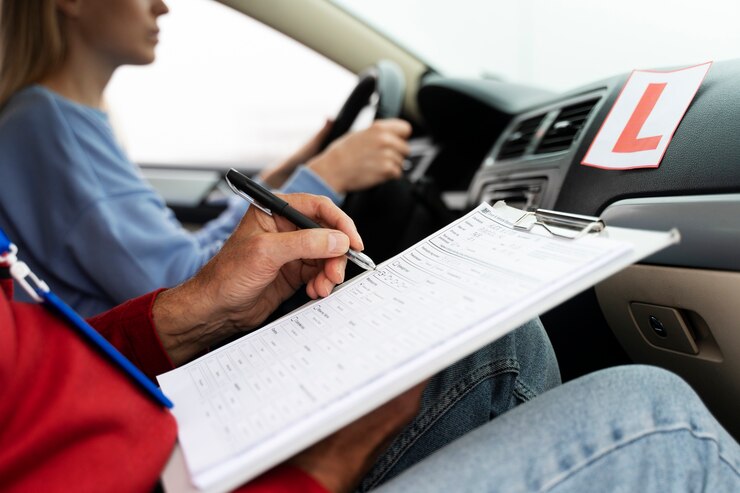
Applying for a learner’s permit is a significant milestone for many aspiring drivers. It represents the first official step toward gaining the freedom and responsibility of driving. However, many applicants encounter hurdles during this process, leading to unnecessary delays and anxiety. In this article, we will discuss the top five mistakes that individuals often make when applying for a learner’s permit and how to avoid them, ensuring a smoother and more successful experience.
1. Failing to Understand State-Specific Requirements
Each state has its own unique regulations regarding the issuance of learner’s permits. The failure to comprehend these state-specific requirements is a common pitfall among applicants. Many individuals simply assume that the process is the same nationwide, which could lead to confusion and potential errors during the application process.
Understanding Your State’s DMV Regulations
To navigate this process successfully, it’s crucial to start with a comprehensive review of your state’s Department of Motor Vehicles (DMV) regulations. This entails
- Researching the age requirements for applying.
- Understanding what documentation is necessary (e.g., proof of identity, residency, parental consent).
- Checking whether a vision test or written test is required.
For example, some states may require applicants to complete a driver’s education course before applying. In contrast, others may not have this stipulation. Websites like AAA and DriversEd.com offer valuable insights and resources tailored to different states, making it easier for applicants to find the right information.
Why Local Knowledge Matters
Comprehending local laws prevents unnecessary mishaps. Failure to provide required documentation can lead to immediate rejection at the DMV. Imagine preparing for weeks only to be turned away for a missing form.
2. Ignoring Practice Tests and Study Materials
Once you have a grasp of your state’s rules, the next crucial step involves familiarizing yourself with the material covered in the learner’s permit test. Ignoring available practice tests and study materials can be detrimental, as many applicants underestimate the importance of this preparation.
Utilizing Available Resources
Numerous platforms provide tailored study materials and practice tests. Engaging with these resources helps you to:
- Learn the rules of the road effectively.
- Understand traffic signs and signals.
- Review common driving scenarios that may appear on the test.
The National Highway Traffic Safety Administration (NHTSA) emphasizes the importance of thoroughly studying before taking the permit test. Platforms like Safe2Drive and Improv Traffic School offer resources designed to elevate your understanding and boost test confidence.
Building Your Confidence
Taking practice tests provides insights into your knowledge and reveals areas that may require further study. Don’t underestimate the benefits of using these tools to help ensure you’re not just passing the test, but truly understanding the rules involved with driving.
3. Forgetting About Parental Guidance
For many new drivers, parental guidance is not just a bonus, it is a requirement. However, some applicants overlook the necessity of obtaining signatures from their parents or legal guardians, which can result in disqualified applications.
Importance of Parental Consent
Most states require parental consent for minors applying for a learner’s permit. This involves:
- Securing a signature from a parent or guardian on the application form.
- Providing proof that the parent or guardian fully understands their role in the learning process.
- Reviewing and discussing the obligations tied to holding a learner’s permit.
Having a responsible adult alongside can smooth out the application process. It ensures that the applicant is well-informed about the responsibilities that come with holding a permit and the steps they must take to progress toward obtaining a driver’s license.
Communicating Expectations
Open conversations can help parents set clear expectations regarding driving practice hours and safety rules. Parents play a vital role in shaping a new driver’s habits and reinforcing safe driving practices.
4. Underestimating the Psychological Aspect of the Test
The learner’s permit test is not merely a technical assessment; it can also be mentally challenging. Many prospective drivers often underestimate the psychological impact of the exam, leading to unnecessary anxiety and poor performance.
Dealing with Test Anxiety
Addressing psychological barriers involves:
- Practicing relaxation techniques beforehand like deep breathing or visualization.
- Approaching the test with a positive mindset rather than viewing it as an obstacle.
- Arriving at the DMV well-prepared and with ample time to ease into the environment.
Organizations such as the Driving School Association of the Americas stress the importance of mental readiness alongside technical knowledge. It is crucial to foster a supportive atmosphere where applicants feel confident in their abilities. Sharing experiences with peers who have successfully completed the process can also instill a sense of assurance.
Visualizing Success
Visualizing success can be a powerful technique. Imagine yourself confidently taking the test, recalling the answers correctly while feeling relaxed. This can make a significant difference in your overall test performance.
5. Not Practicing Enough Beforehand
Finally, one glaring mistake that many make is not adequately practicing driving skills before the permit test. While the focus may be heavily skewed towards studying rules and regulations, practical driving experience is equally important.
Effective Practice Strategies
Incorporating regular practice drives can help solidify knowledge acquired through study. Consider the following:
- Getting behind the wheel with an experienced driver for supervised practice.
- Focusing on diverse driving environments (highways, residential areas).
- Practicing for different weather conditions to ensure adaptability.
Many organizations, including Varsity Tutors, provide access to qualified instructors who can further guide learners through necessary skill-building exercises. Utilizing such resources not only enhances driving skills but also builds confidence.